A guide to understanding Mental Disorders and the stigma surrounding it with Professor Dato’ Dr Andrew Mohanraj
WORDS BY MELISSA FOONG PHOTOS BY JOYCE LIM
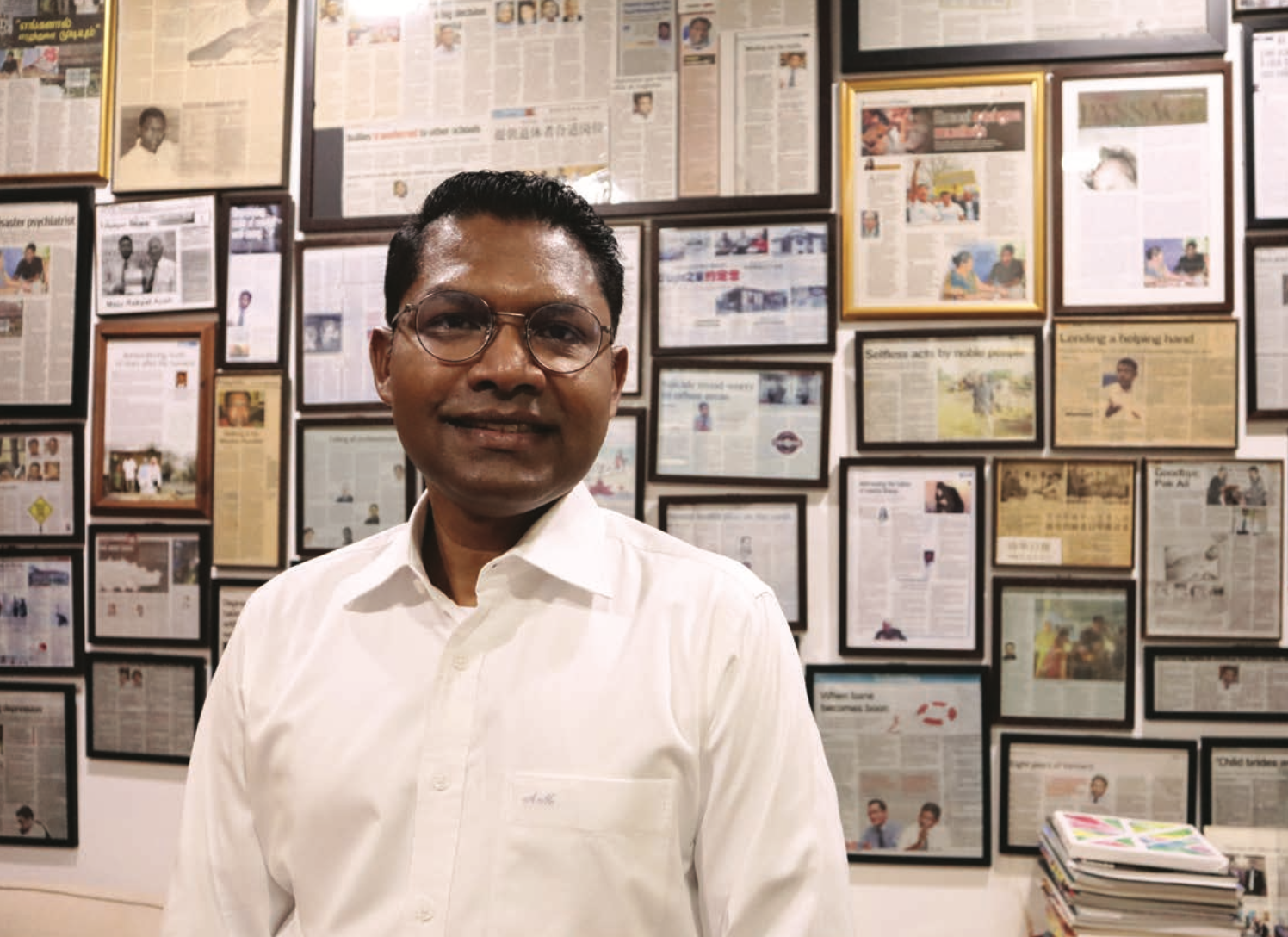
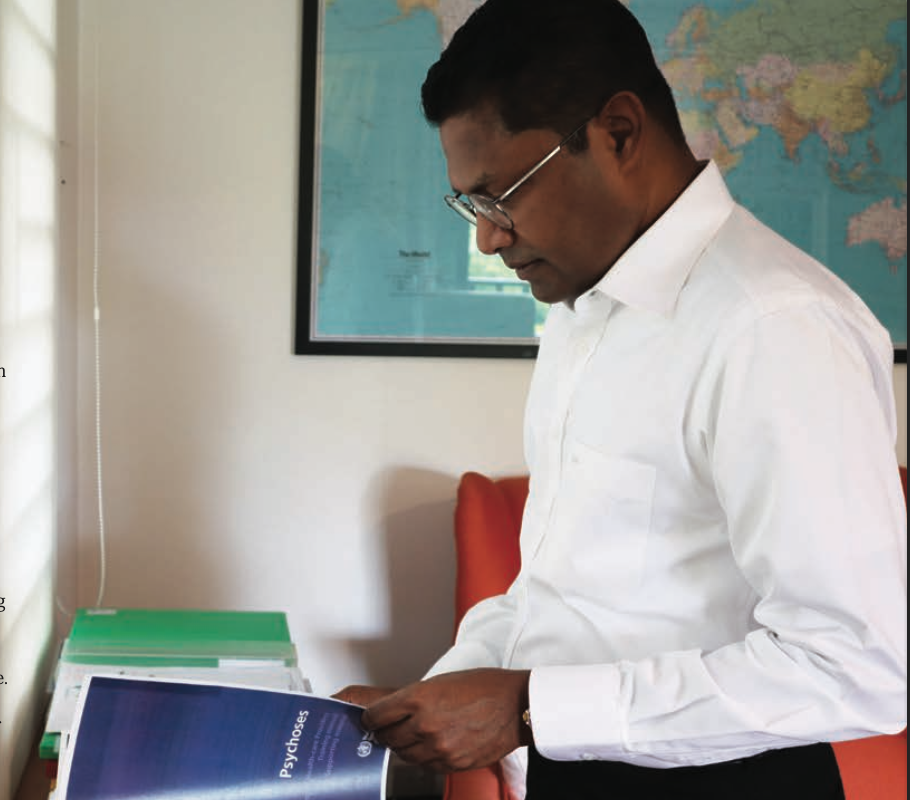
AS A CONSULTANT PSYCHIATRIST and President of the Malaysian Mental Health Association, Professor Dato’ Dr Andrew Mohanraj is no stranger to the Malaysian community. Besides running his psychiatric practice in Kuala Lumpur, he has also done pioneering work in the establishment of sustainable psychosocial rehabilitation services in Indonesia, Philippines and Timor Leste. With a list of achievements long enough to fill a textbook, Dr Andrew is no doubt a man who has done and is continuing to do marvelous things.
We spoke to Professor Dato’ Dr Andrew Mohanraj about the stigma of mental health in Malaysia and the various ways to help a loved one suffering from mental illness.

What is mental health and what are the various types of mental illnesses?
While the World Health Organisation defines mental health as a state of well-being in which the individual realises their own abilities while coping with the normal stresses of life,
I think mental health is about our emotional, psychological, and social well-being. Our mental status affects how we think, feel, and act. It also helps determine how we handle stress, the ability to relate to others, and the potential to make choices in life. Factors contributing to mental health problems could be due to immediate social factors like the difficulties caused by the pandemic but it could also be due to past life experience like childhood trauma and abuse as well as genetic causes or family history of mental conditions.
Mental illness is a general term for a group of illnesses that may include symptoms that can affect a person’s thinking, perceptions, mood or behaviour. Some of the common ones in adults are Depression, Anxiety Disorder, Bipolar Disorder, Obsessive Compulsive Disorder as well as psychotic disorders like Schizophrenia—though substance abuse and alcohol dependence is also rather common. In children we see behavioural and emotional disorders like ADHD and Autism Spectrum Disorders. While in adolescence, it is Depression and eating disorders like Anorexia Nervosa.
First thing in treating a problem is recognising it, how does one know if they’re suffering from a mental illness?
I think the most common denominator for a mental illness would be when one would feel emotionally unwell every now and then. Though it’s normal to have good and bad days, when our emotional status becomes so disturbing that it starts to affect our work, studies, relationships, or physical health persistently over several weeks or a month—then there is a likelihood that we have symptoms suggestive of a psychological condition. The trick is to nip it at its bud because the delay in recognising it might result in more intensive treatment.
Most psychological disorders are short term and can be treated easily. Many might think that intervention means medications, I would say not necessarily so. In many cases, psychotherapy like Cognitive Behavioural Therapy or Supportive Psychotherapy would suffice. While in severe forms of
mood disorders like Major Depression or in psychotic illness like Schizophrenia, long term use of medication may be required.
I think it’s important to know that one in four Malaysians will experience symptoms of psychological disorder at any time during adulthood. After cardiovascular diseases, depression is one of the main causes for disability in the workplaces worldwide.
In many western societies, it has already overtaken cardiovascular diseases—becoming the number one highest disease. There are communities in the world where the main cause of death among young people is suicide.
All this is largely preventable with early detection, support and understanding. One of he biggest barriers in seeking mental health help is the stigma surrounding it. It can result in discriminatory practices in schools, work places, communities and even within families.
And how does one know if they suffer from a mental illness? That would also depend on the type of psychological morbidities. For Depression, it could be the persistent low mood, loss of interest in pleasurable activities, the inability to sleep, lack of appetite or increase in appetite, irritability, feelings of guilt, hopelessness and helplessness. In some cases, even suicidal thoughts.
For psychotic illnesses like Schizophrenia, it would begin at around the age of 17 to 21 for boys and 27 to 30 for women. Similar to Depression, one of the symptoms would be the inability to sleep, keeping to oneself constantly, hearing voices or feelings of fear that harm will befall them or overt suspiciousness. It is also important to note that people tend to use sleeping medications, alcohol, tobacco or even illicit drugs to cope with stress, poor sleep quality, low mood and symptoms of mental illnesses like hallucinations. Therefore, it is good to keep a lookout for sudden use or recent increase in the use of such substances which could indicate exacerbation of psychological distress.
In most cases the condition can be cured and if it cannot be cured, the symptoms can be controlled—enabling the person to pick up the pieces in life and move on with the appropriate support in place.
Being a psychiatrist yourself, what are some of the challenges you’ve faced throughout the years? Were there times when you were suffering with a mental illness too?
There were of course stressful periods in my life. There was an incident in Aceh where the concrete staircase collapsed right behind me. It traumatised me for several days, making me wonder if I had chosen the right path in life. As for the professional challenges, I have faced them throughout my career especially when working in low and middle income countries. Getting budgetary allocation for mental health is always frustrating as it is one of the lowest priorities in health planning. It often involves a lot of persuasion, sweet talk, thick skin and sheer patience to squeeze out more money for mental health but in most times my perseverance paid off. Today in Aceh, every district has at least one psychiatrist and there is also enough psychotropic medications in hospitals and clinics. Most importantly, Aceh is now ‘bebas pasung’ and with zero physical restraint among people with chronic mental illness.
When I was in Sarawak in my early days as a medical officer in psychiatry and later in Aceh too, I had to work with local traditional healers who had a different understanding of mental illness. Coming from an evidence based background, I found it frustrating that patients preferred to take the advice of these traditional healers and they would often relapse as a result of it. Practicing the old Chinese saying of keeping your enemies close to you, I invited the traditional healers to workshops and discussed joint treatment instead of challenging them. There I would start patients on medications but sought the traditional healer’s help in ensuring the patients complied with the medication while also participating in whatever rituals that were prescribed by the healers. It was a win-win situation and it sort of formalised their roles too.
2021 has been an unprecedented year with the implementation of Movement Control
Order (MCO). While many aren’t able to visit their therapists, what are the benefits and risks of delivering mental health care through technology instead of face-to-face. What impact does the removal of face-to-face human interaction have on the patients?
“EVEN IF WE ARE NOT KNOWLEDGEABLE IN THE MATTER IT IS ALRIGHT. BUT BEING ABLE TO GUIDE THE PERSON TO
THE APPROPRIATE SERVICES
IS THE MOST IMPORTANT, IF
YOU REALLY WANT TO HELP SOMEONE. THE KEY IS TO NOT BE JUDGEMENTAL OR OPINIONATED WHEN TRYING TO REACH OUT TO SOMEONE WHO IS UNWELL”
Delivering mental health care through telemental health is here to stay. It has been very helpful during MCO despite the earlier reservations about confidentiality and the fear of sessions being recorded. This is also because conversations about mental health have become more open now and many do not care if others know that they are seeing a therapist. Personally I don’t think anything can replace or compare to the benefits of a face-to-face therapeutic environment where body language and other cues are detected.
As a medical doctor, I would also need to physically examine the patient since medical conditions are also linked to mental health. Physical health and mental health are merely two sides of the same coin! Telehealth does not allow me to do that and that will limit my effectiveness as a doctor. However, in cases of Psychologists or Counsellors offering their services through telehealth, I guess it would not make too much of a difference. Somehow we have all embraced virtual technology and its ability to do an array of things. Flying off to distant places to attend meetings might no longer be accepted even when the pandemic settles. If international conferences can be successfully held through virtual platforms, I think mental health services should also embrace such changes.
But when it comes to digital applications that rely on AI, I have my reservations about their usefulness at this stage. AI has to improve in its sophistication to make a right
diagnosis or offer appropriate therapeutic interventions. At the most, it can act as a screening tool. Therefore, users must view such technology only as a screening tool and nothing more than that. They may need to seek professional help to confirm their concerns and fears rather than depending on the reading or scoring on their phone applications.
Due to the pandemic, the Malaysian Mental Health Association now delivers bulks of psychotherapeutic support through telehealth and most of our clients are happy with the outcome. It sure does serve its purpose.
How can one speak to and help someone suffering from a mental illness?
This is a little delicate and most people often shy away from trying to help another that’s suspected to suffer from a mental illness for fear of causing more harm than good. First of all, one will need to feel calm and confident when approaching a person suspected to be unwell or even suicidal. Showing that you care and that you are giving them your undivided attention is important. It could be as simple as having a cup of coffee in a corner or sitting in an open space in the park. It is crucial to note that privacy is important.
Listening would probably be the most important skill here. Active listening means to not only listen but to reaffirm what is being said—showing empathy though facial reaction, touching where is appropriate, nodding the head or asking them to repeat what they have said is an important part of active listening. Do avoid multitasking like checking for text messages or answering a phone call as it is considered being disrespectful to them. In most cases they want a listening ear and would feel much better after ventilating their problems to someone.
If you want to help someone suspected to be psychologically unwell or suicidal, it is
also critical to be familiar with the helplines, mental health resources and emergency services available.
Even if we are not knowledgeable in the matter it is alright. But being able to guide the person to the appropriate services is the most important, if you really want to help someone. The key is to not be judgemental or opinionated when trying to reach out to someone who is unwell.
Has the stigma of mental health changed throughout the years compared to when you first started? What do you wish would change in the future?
To some extent the pandemic has opened up conversations about mental health and has had some effects in normalising mental health issues in society today. However, the stigma regarding mental illness is so deeply rooted in our culture that it is going to take a long time to have a clear non-judgmental understanding of it.
In many societies in the world, poor understanding of mental illness is often attributed to superstitious beliefs like evil spirits and sorcery which can be harmful to the lives of the mentally ill besides being a barrier for them to seek appropriate medical support. At times, it is difficult to challenge traditional belief and one needs to be clever to work around such belief systems for short term benefits.
There was a time when I was working with a remote community in Simeulue, an island off the coast of Aceh. I was suggesting that timely medications were important to treat epilepsy in children. The community laughed and said seizures were caused by a baby lizard which crawled through the skin and got lodged in the brain of the children—where each time the lizard moved its tail, the child would have seizures. Instead of challenging their belief, I told them that the anti-epileptic medications would paralyse the lizard, hence stopping it from wiggling its tail anymore.
Ultimately greater scientific evidence of pathology and changes in brain infrastructure and demonstrable treatment along with legislative changes to protect the rights of those with mental illnesses will help in the understanding that it is not ‘just in the mind’, a sign of being a weak character or being possessed by an evil spirit, but are instead pathological states that can be fixed.
 Dr. Andrew Mohanraj